
Desenrascar: The art of figuring it out
Some words stop you the first time you encounter them.
Desenrascar is one of them. Not because it's especially long or complicated, but because once someone explains what it means, you realize you've seen the thing it describes; you just didn't have a word for it.
It means, roughly, to improvise your way out of a problem; to untangle a situation with whatever you have on hand; to figure it out calmly, practically, and without making a production of it.
It's a word that says something about Portugal before you've even used it in a sentence.
What desenrascar actually means
Desenrascar is one of those European Portuguese words that resists a clean translation, and that resistance is itself part of what makes it interesting.
Literally, it means to untangle or to free something from a snag. Rascar relates to scratching or catching on something rough; des- reverses it. But in everyday use, desenrascar means something more like: to improvise a solution, to make it work with what you have, to MacGyver your way through a problem.
The noun form is o desenrascanço, the act or quality of having figured something out. You might hear someone describe a friend as having muito desenrascanço, a lot of resourcefulness, a talent for getting unstuck.
Neither word appears in Brazilian Portuguese in quite this way. They belong to a particular texture of life in Portugal.
Where it comes from
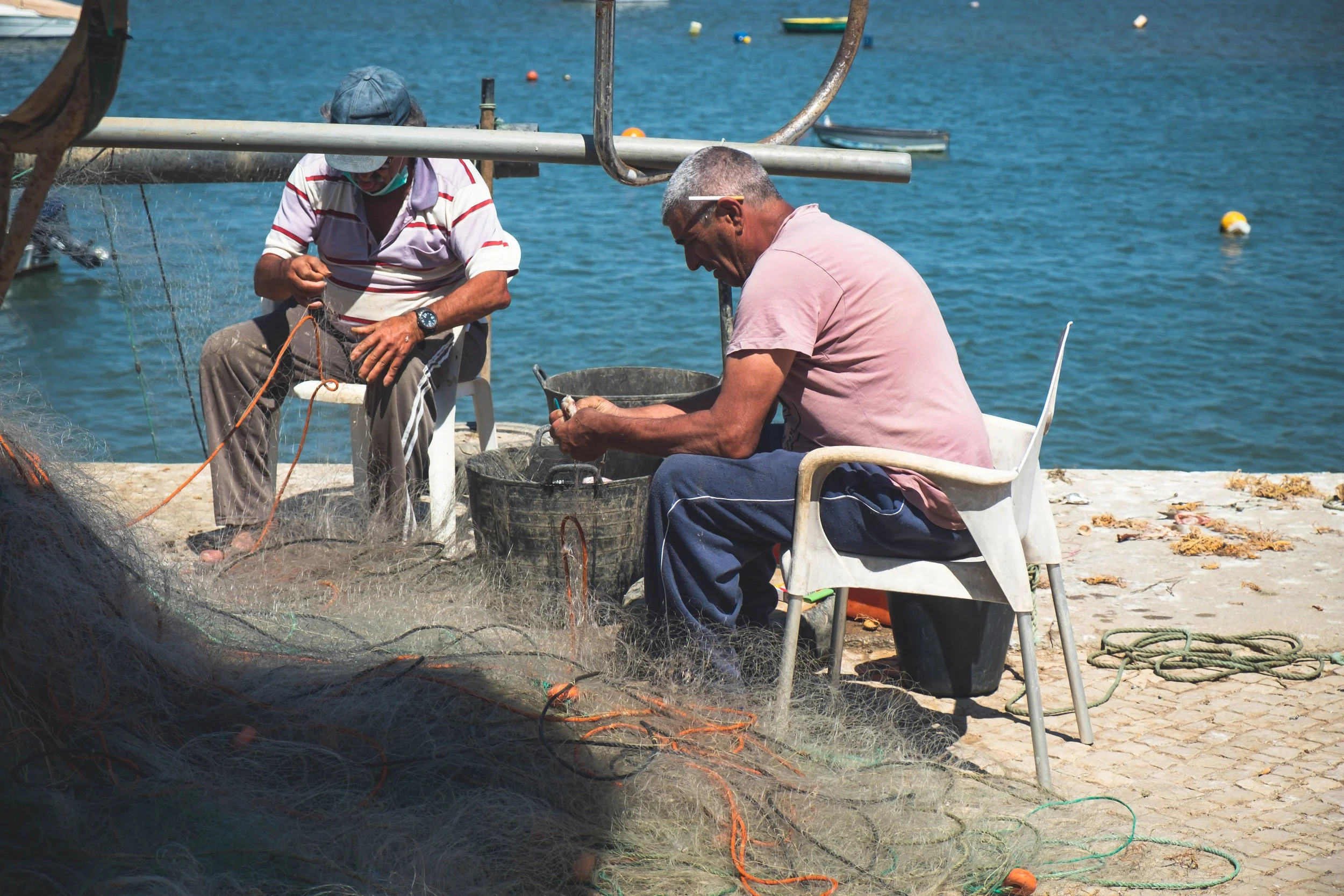
Portugal is a country shaped by the sea. For centuries, its sailors and fishermen operated far from any port, far from any spare parts, and far from anyone who could help. When a net snagged, when a rope frayed, when something on a vessel stopped working in the middle of the Atlantic, you figured it out, because you had to.
The fishing communities of the Portuguese coast - places like Nazaré, Setúbal, Sesimbra - gave the language some of its most vivid and practical vocabulary. Desenrascar is part of that inheritance. It carries the weight of people who couldn't afford to be defeated by a problem.
How it sounds in real life
Desenrascar isn't a formal word, and you won't find it in official documents or business correspondence. It lives in conversation; it’s the kind of thing a Portuguese person says with a slight shrug and a knowing look.
A few examples of how it appears naturally:
Não te preocupes, a gente desenrasca-se. (Don't worry, we'll figure it out.)
Tive de me desenrascar com o que havia. (I had to make do with what I had.)
Ele tem muito jeito para o desenrascanço. (He has a real knack for improvising.)
That last sentence introduces another useful word: jeito. Meaning skill, knack, or a certain natural ease with something. It pairs naturally with desenrascanço. Having the jeito for it implies not just the result, but a certain grace in getting there.
Why this word matters for learners
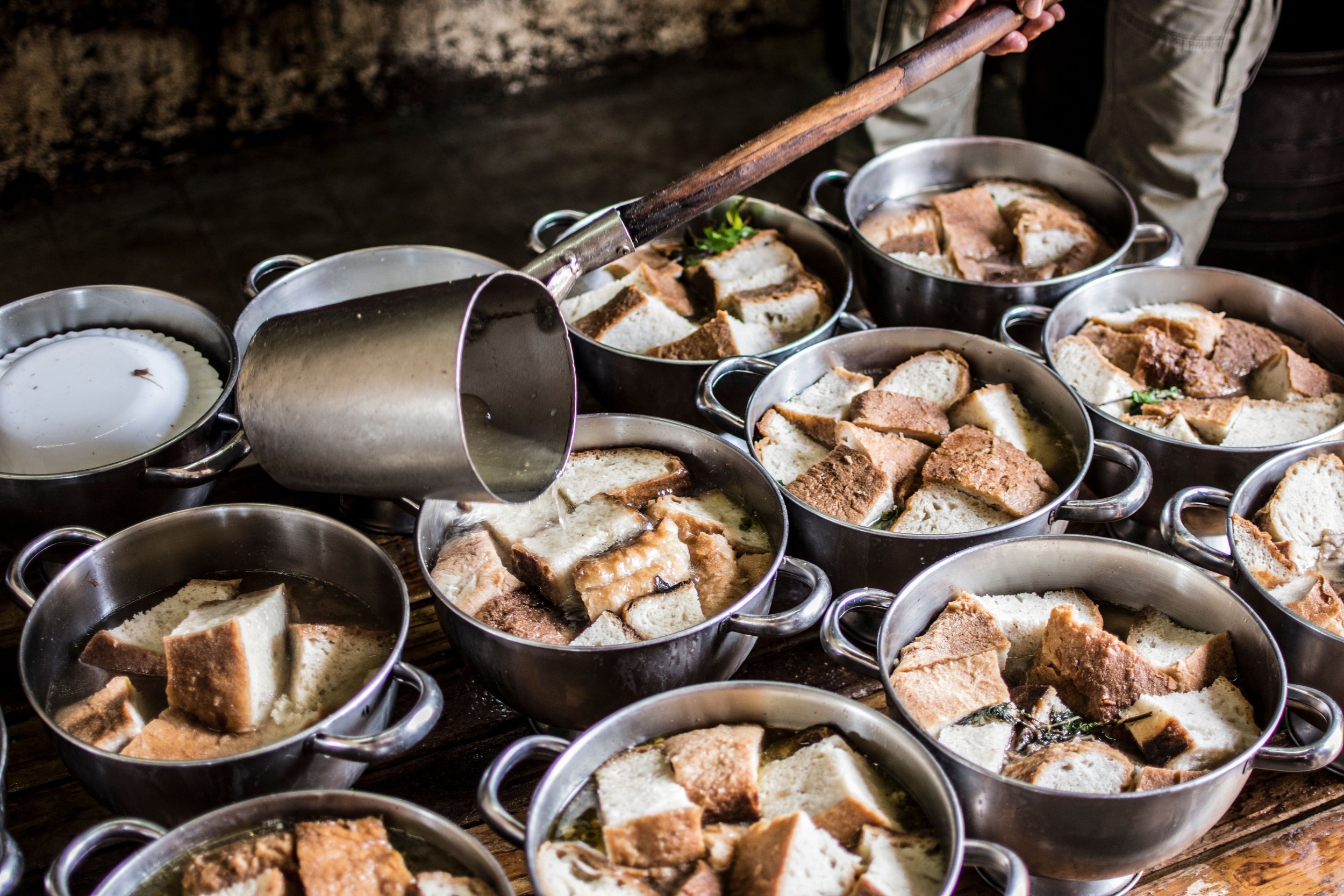
Açorda, a soup born from stale bread, garlic, olive oil, and the refusal to waste anything, is one of the most genuine expressions of desenrascanço on a Portuguese table. What began as a practical solution to prevent waste is now a comfort food eaten across the country.
When you encounter a word like desenrascar, you're not just learning vocabulary. You're learning something about how Portuguese people relate to difficulty.
There's no drama in the word. There’s just a quiet confidence that things can be sorted; that ingenuity is more useful than despair; and that resourcefulness is a form of dignity.
This is worth knowing, not because you need to use the word in your first conversation in Portugal, but because it shifts how you read situations. When a shopkeeper shrugs and finds you an alternative, when a host improvises a meal from almost nothing, when someone navigates a bureaucratic obstacle with calm creativity - you're watching a cultural value in action.
For heritage speakers, this one may already feel familiar. The desenrascanço mindset often travels with families. It's the grandmother who fixes everything with string and patience and the uncle who always has a workaround. The word may be new to you, but the feeling probably isn't.
A note on pronunciation
Desenrascar is genuinely one of the harder words to say in European Portuguese, and that's before you try desenrascanço.
A few things to keep in mind:
The des-en at the beginning of the word sounds like deh-zehn in European Portuguese; the s between vowels softens to a z sound.
The -sc- cluster in rascar and rascanço produces the sh sound characteristic of European Portuguese. Think: rahsh-car, not ras-car.
Don't worry if it takes a few tries. This is the kind of word worth saying slowly, out loud, until it starts to feel natural.
Words like this are worth learning
One of the things that makes European Portuguese genuinely distinctive, beyond its sounds and grammar, is how much of its character lives in words like desenrascar that are practical, have history in them, and teach you something about the people who made them.
At Conversa Club, this is the kind of vocabulary we explore together; not as a list to memorize, but as a doorway into how the language actually thinks. Words come up in conversation, in context, in the way they do when you're actually using a language rather than studying it.
If desenrascar is the kind of word that makes you want to learn more, you might feel at home with us.
