
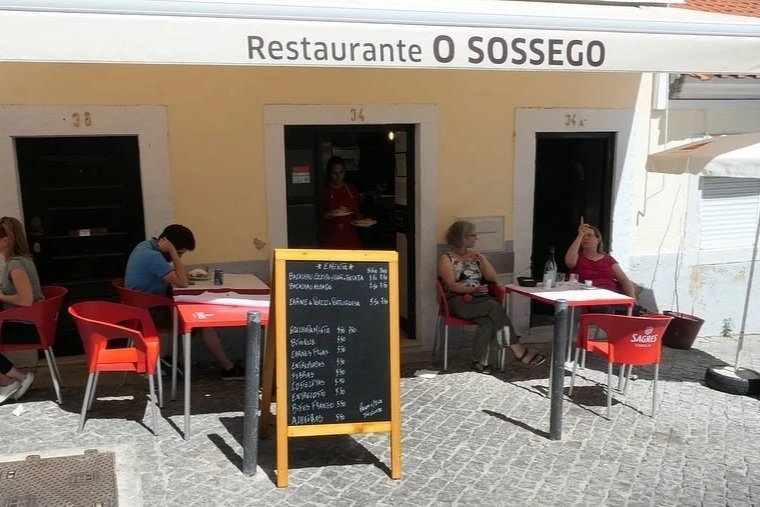
Sossego: the Portuguese art of slowing down
Sossego is a Portuguese word that's easier to feel than to translate; a calm you settle into rather than chase. Here's what it means, where it turns up in everyday life in Portugal, and how it points to a gentler way to learn European Portuguese.
What is the CIPLE exam?
If you've come across the letters CIPLE while researching Portuguese citizenship, residency, or visa requirements, you're not alone, and it's less intimidating than it sounds. The CIPLE is Portugal's official A2-level Portuguese exam, and under current law, it's the minimum language requirement for Portuguese nationality. In this guide, we walk through what the exam actually involves, who typically needs to take it, and how to prepare for it calmly, without a cram course or last-minute panic. Whether you're working toward citizenship or just want a benchmark for your progress, here's what to expect.
How to Introduce Yourself in European Portuguese
Wondering how to introduce yourself in European Portuguese? It comes down to one sentence. In this Daily Life video, Sérgio walks through Chamo-me and O meu nome é, how to say where you're from with Sou de, and the small gender shift that makes it sound natural. No pressure, no rushing. Just the words you need before your next conversation.
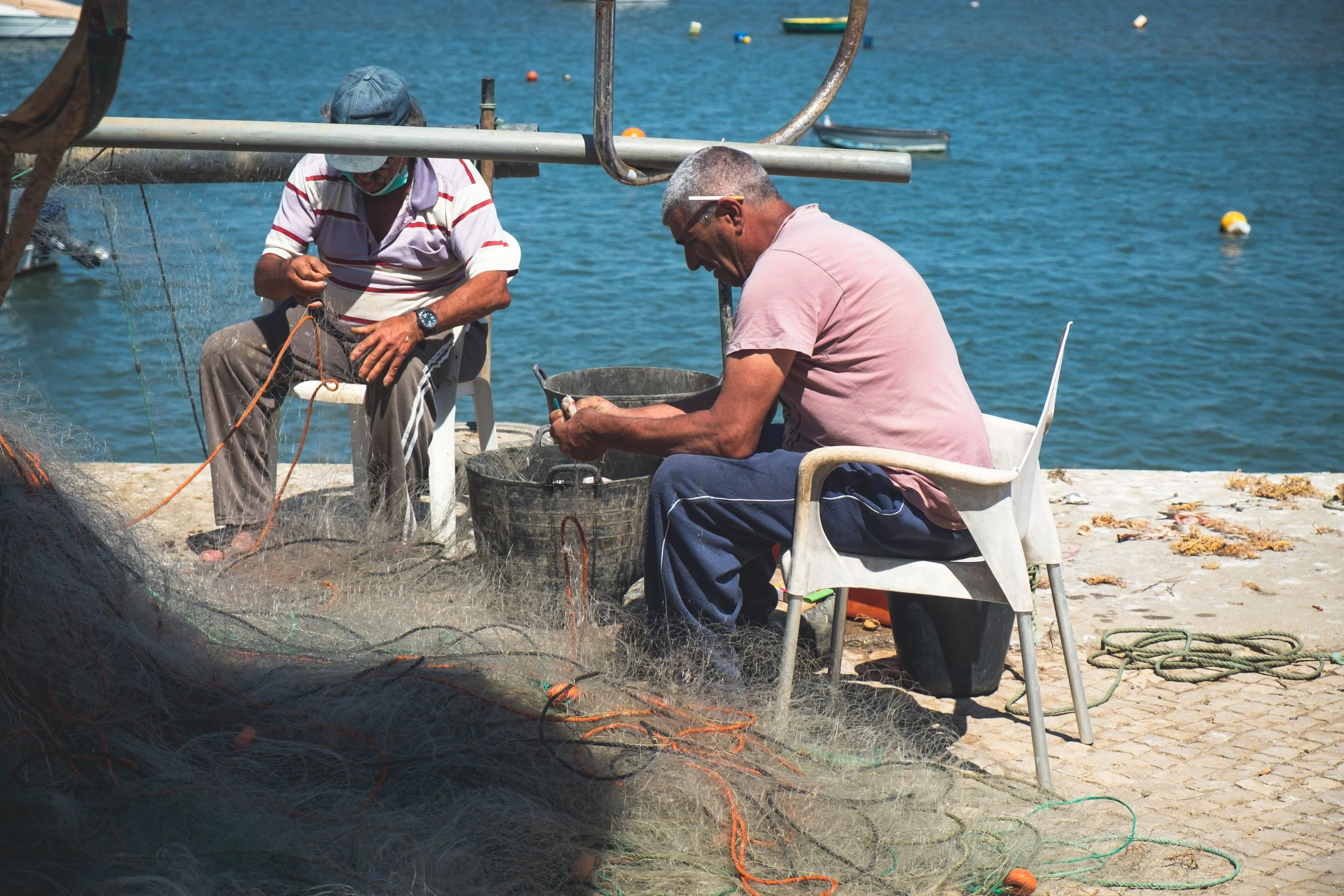
Desenrascar: The art of figuring it out
Some words stop you the first time you encounter them. Desenrascar is one of them, a word that means, roughly, to improvise your way out of a problem, to figure it out with whatever you have to hand. It comes from Portugal's seafaring past, shaped by fishermen and sailors who couldn't afford to be defeated by a broken net or a fraying rope. But it lives on in everyday Portuguese life, in the quiet resourcefulness of a culture that treats ingenuity as a kind of dignity. In this post, we explore what the word means, where it comes from, how it sounds, and why understanding it opens a small window into how Portuguese people actually think.
Dia de Portugal: What June 10 really means
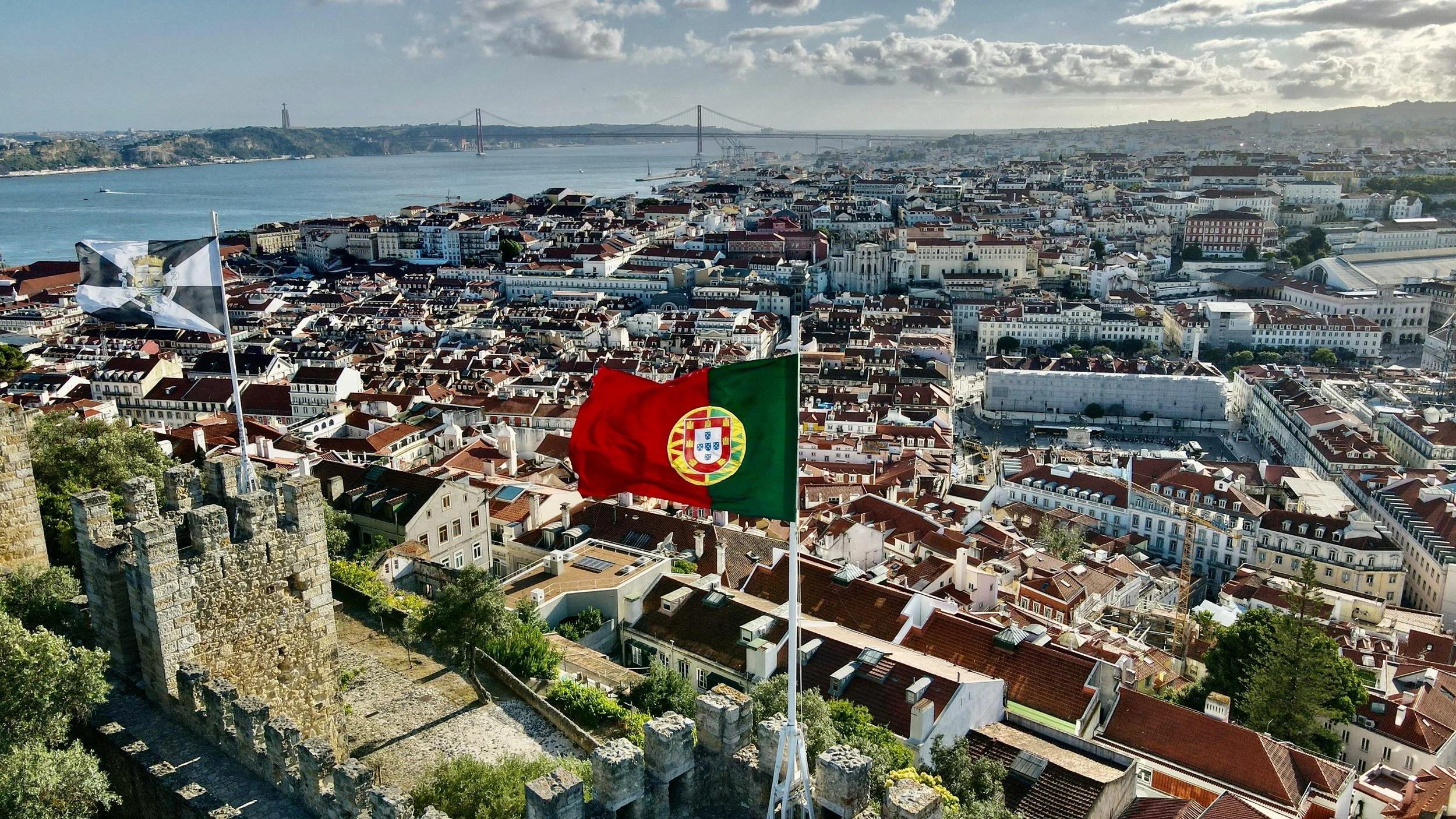
On June 10, Portugal marks Dia de Portugal, de Camões e das Comunidades Portuguesas, a national holiday named not after a battle or a founding moment, but after a poet. This post explores what that choice reveals about how Portugal understands its language, its identity, and the millions of people who carry both beyond its borders. For anyone learning European Portuguese, whether out of curiosity, family connection, or in preparation for the CIPLE exam, understanding this day is a meaningful step into the culture behind the language.

At the Mercado
Portugal's traditional markets are one of the best places to practice real European Portuguese. The interactions are short, the context is clear, and the vocabulary repeats. But knowing what to say when you're actually standing at a stall is a different thing from knowing the language in the abstract. This post walks you through the words and phrases you'll genuinely need: how to greet a vendor, ask for what you want, handle quantities and prices, and navigate those moments when the numbers come a little too fast. Practical, grounded, and ready to use before your next visit to a mercado.

Tudo bem? The greeting loop you'll use every single day
Every conversation in Portugal begins the same way, with a short exchange so natural most speakers don't even notice it. In this lesson, we take the tudo bem greeting loop apart: what it means, how it works, and why one small phrase can both open and close an exchange. You'll learn when to say tudo bom, when to reach for e tu or e você, and two honest, everyday replies - mais ou menos and não me posso queixar - that will make you sound like someone who actually lives here. Six phrases. One loop. A calm place to start.
Why you can't understand spoken European Portuguese (and what's actually happening)
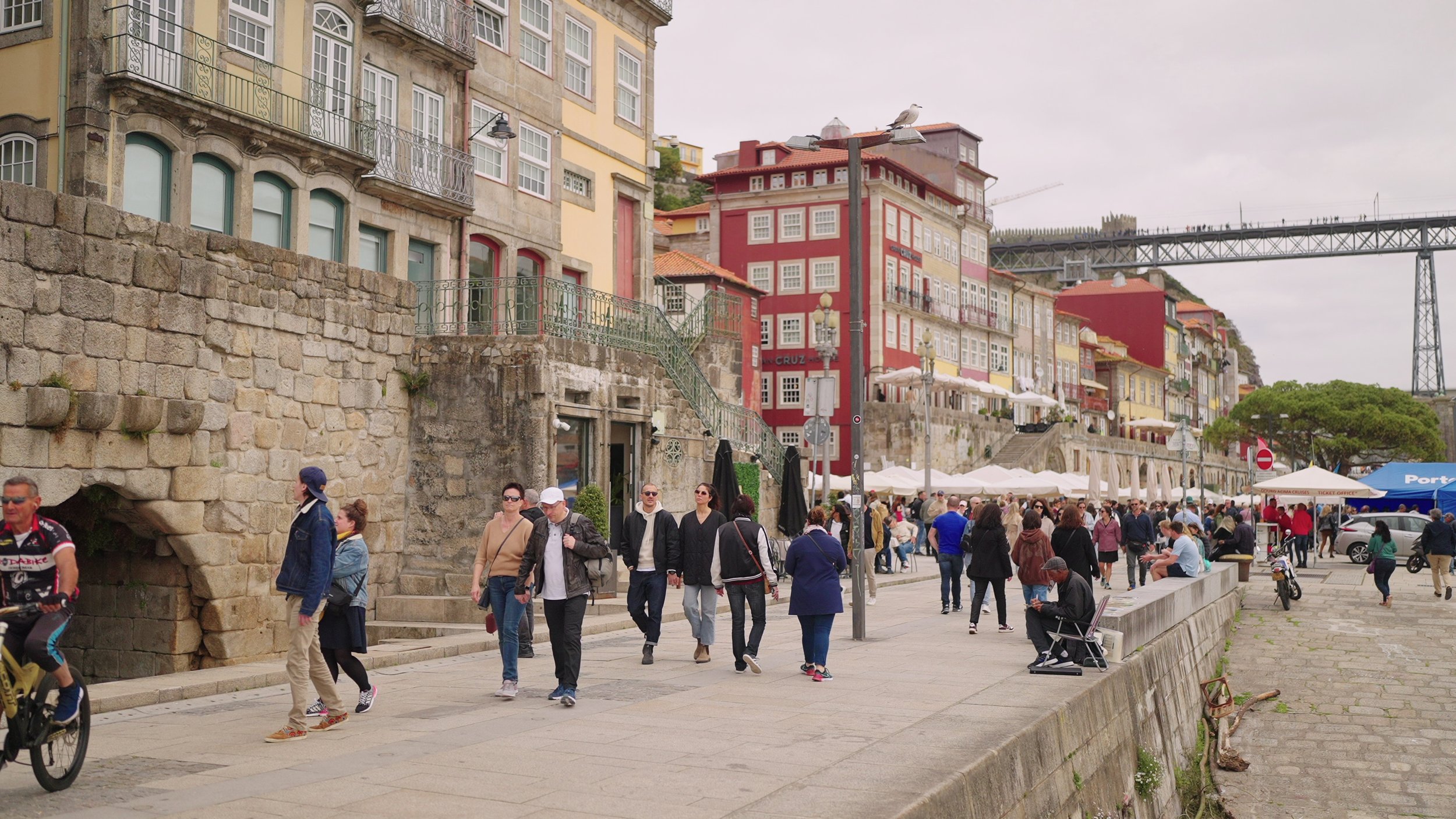
One of the most common moments in the European Portuguese learning journey is also one of the most discouraging. You know the words, but you can't catch them in real speech. This post explores why that happens, and introduces the concept of ligação, the natural blending of sounds that shapes how European Portuguese actually moves in conversation. Watch the video, then read on to understand what your ear is learning to hear.
What the Portuguese Table Can Teach You About Speaking the Language
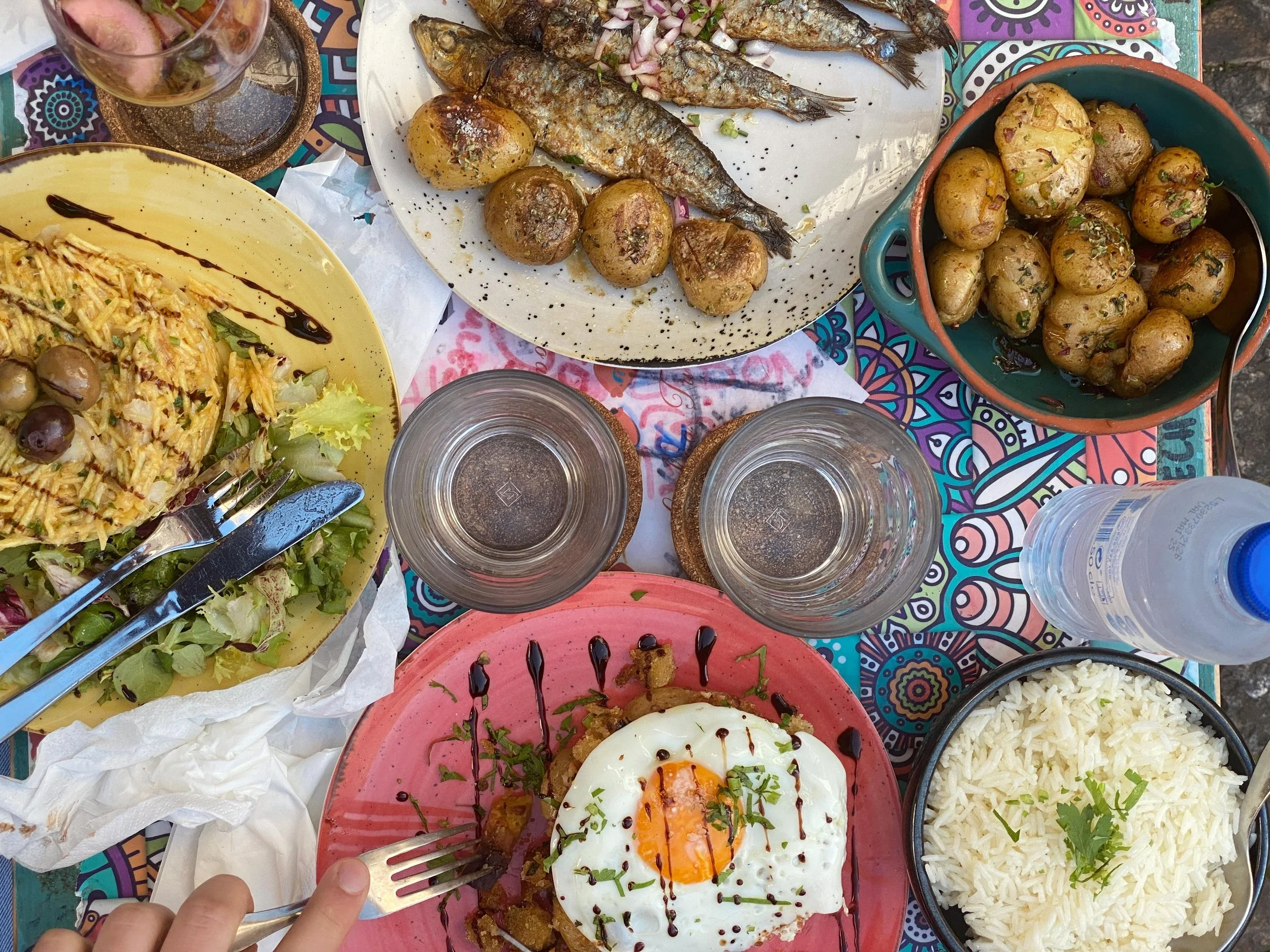
There's a gap that many European Portuguese learners know well - you can follow a conversation, catch the words, feel the rhythm, but the moment it's your turn to speak, something stalls. In this post, we explore why that gap between understanding and speaking is so common, and what the Portuguese table - with its unhurried rhythm, familiar phrases, and low-stakes warmth - can teach us about how language actually starts to loosen. Because the right conditions for practice aren't always found in a textbook. Sometimes they're found à mesa.

How to pronounce the European Portuguese vowel i - and why it's the most stable
The letter i in European Portuguese is refreshingly consistent. Here's how it sounds, when it shifts slightly, and why it's a confident place to start.
How to practice speaking European Portuguese when you don't live in Portugal
You don't have to live in Portugal to build real speaking confidence. Here's how adult learners of European Portuguese keep the language alive wherever they are.
Bom dia, Boa tarde, Boa noite... Portuguese greetings for every part of the day
Bom dia. That's how every morning starts in Portugal, and it's where your European Portuguese journey begins too. In this lesson, you'll learn the three time-based greetings every learner needs from day one: bom dia, boa tarde, and boa noite. Plus why olá, though real, isn't actually the everyday default most learners expect it to be.
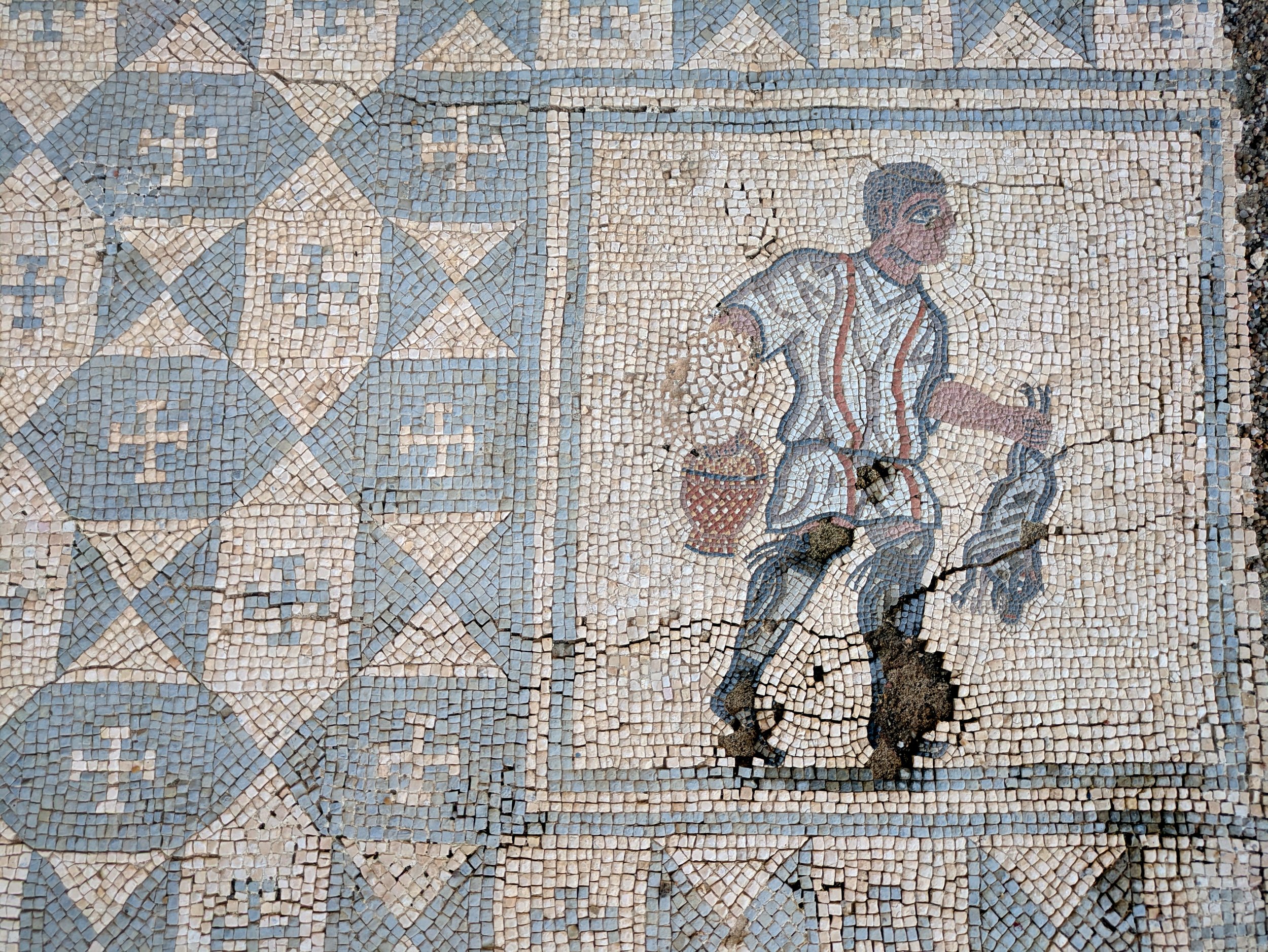
Before Portugal Was Portugal: Walking Through Conímbriga
Conímbriga, one of the largest and best-preserved Roman settlements on the Iberian Peninsula, sits quietly just south of Coimbra, holding the shape of a city that stood for over a thousand years. This post walks through its mosaic floors, heated rooms, grand defensive wall, and the ordinary lives lived within its stone streets, before tracing a line that connects those Roman foundations to the European Portuguese you are learning today.
Why the letter E disappears in European Portuguese (and how to hear it)
The vowel E is one of the most complex sounds in European Portuguese and one of the most revealing. This post breaks down its four main forms: the open stressed é, the closed stressed ê, the unstressed "swallowed" sound that defines the European accent, and the nasal E that appears before M and N. With common vocabulary examples throughout, it's a practical guide to understanding not just how the letter sounds, but why it matters for speaking naturally in Portugal.
What to Focus on First When Learning European Portuguese
Most people come to European Portuguese with a clear goal and the same question: where do I actually begin? This post cuts through the noise. Whether you're learning out of curiosity, preparing for the CIPLE exam, or returning after a gap, the foundation looks the same: a little listening every day, speaking sooner than feels comfortable, and grammar that arrives when you need it rather than before you're ready.
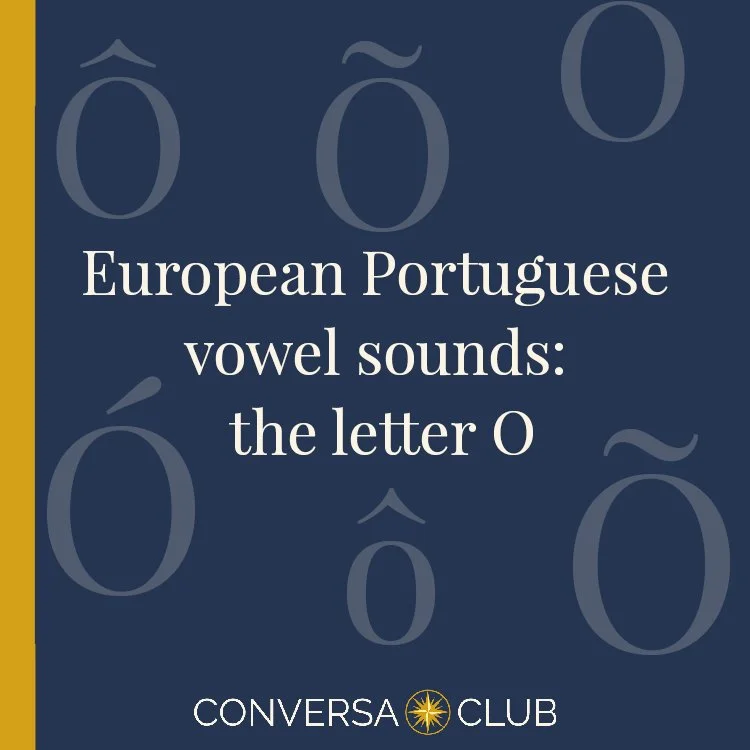
The letter O in European Portuguese: Four sounds worth knowing
The letter O in European Portuguese doesn't behave the way most learners expect. It shifts depending on where it sits in a word, whether it carries an accent, and whether it's stressed or unstressed. This post walks through the key sound patterns, step by step. Each sound is explained in plain terms with real examples, the crucial avó/avô distinction, and a summary table to keep it all in view.
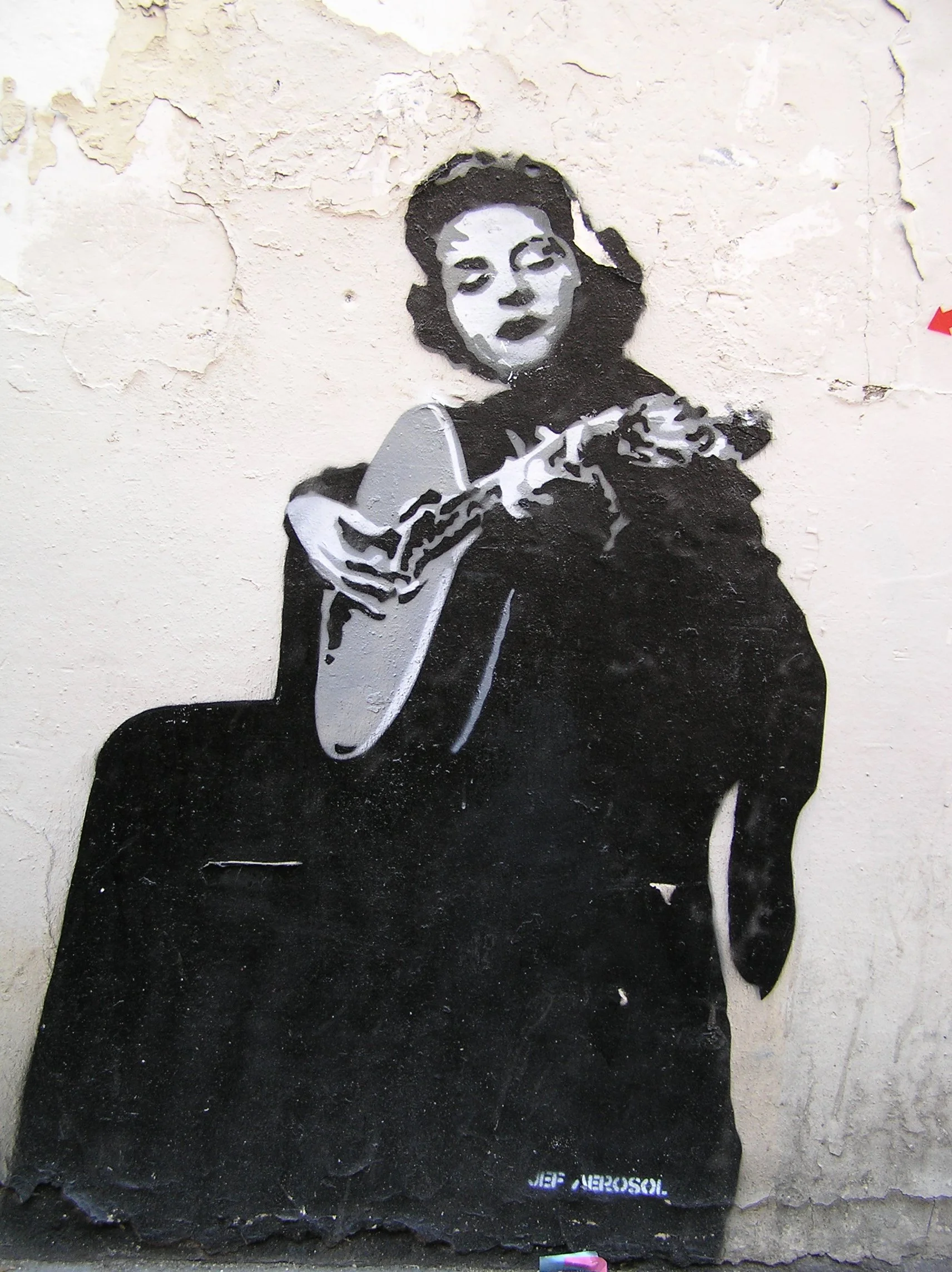
Fado and the Language You Feel Before You Speak It
There is a particular kind of silence that happens when a fadista finishes singing. Not the silence of an ending, but the silence of something still settling. If you have ever heard fado and found yourself moved without quite knowing why, you already understand something essential about European Portuguese. Something no grammar book will ever teach you. Fado is more than music. It is emotion, memory, and identity woven into melody, and for anyone learning European Portuguese, fado is a beautiful introduction to the language.
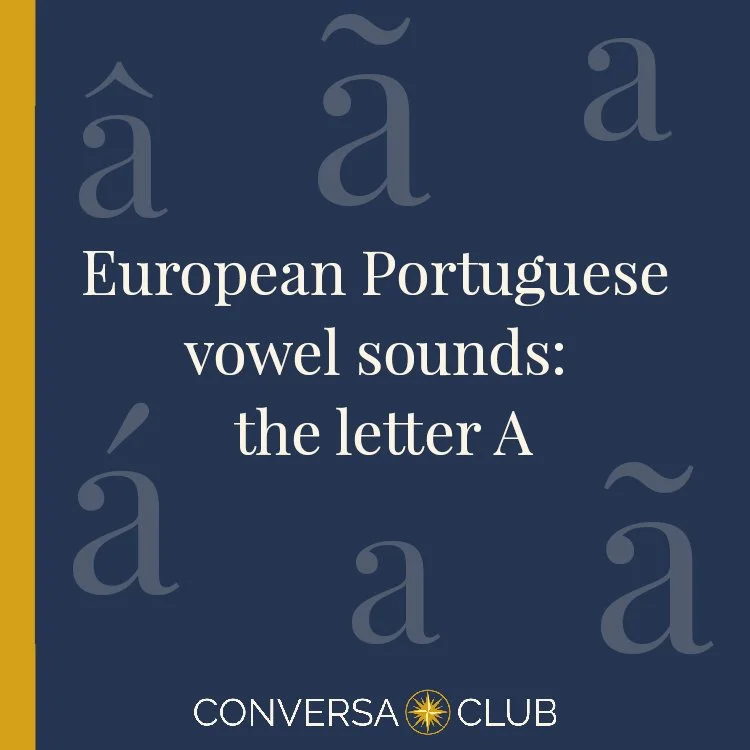
European Portuguese vowel sounds: the letter A
The letter A in European Portuguese isn't just one sound. It shifts depending on stress, position, and the accent marks above it. From the wide-open A in casa to the quiet, inward unstressed version, to the resonant nasal hum of manhã... each variation tells you something about how this language actually works. This post walks through them all, one sound at a time.

Why most language apps don't work for European Portuguese learners
You downloaded the app. You set the streak. You showed up, and then, somewhere along the way, you stopped. Not because you gave up, but because something wasn't clicking and you couldn't quite say what. Most language apps weren't built for European Portuguese learners, and that gap is real. This post looks at why apps fall short, what actually works for adult learners of português europeu, and a handful of free, low-pressure things you can start doing today.

Coffee in Portugal: What to expect, what to order, and why it's not what you're used to
Coffee in Portugal isn't just a drink. It's a daily ritual that shows up in two very different ways. There's the quick stop at the counter, strong espresso in hand, gone in a few minutes. And there's the long afternoon at a neighborhood café, where nobody is moving you along. This guide covers both, along with what's actually on the menu, what to do if you're used to Dunkin', Starbucks, or a pot at home, and a few simple phrases to help you order with confidence.