
At the Mercado
Learning European Portuguese through Portugal’s traditional markets
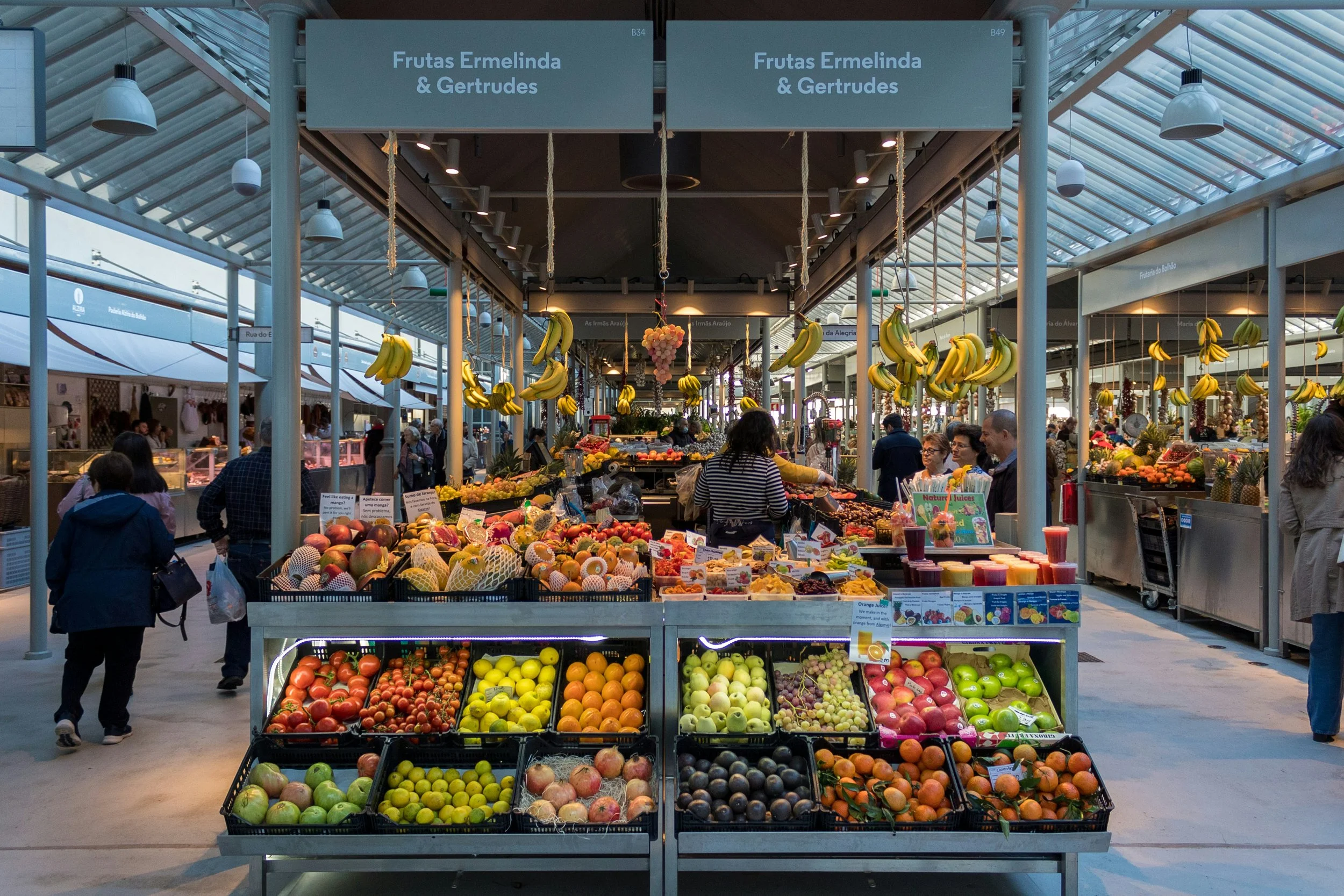
Imagine you’re standing in front of a market stall in Portugal. There are crates of produce, a vendor waiting, and people moving around you. You know what you want, but you just don’t quite know how to ask for it.
That gap, between knowing and saying, is one of the most common places learners get stuck. Not because the language is too hard. But because no one has given them the specific words for that moment.
This post is about those words.
Portugal’s mercados, traditional covered markets found in towns and cities across the country, are one of the best places to practice real European Portuguese. The interactions are short, and the context is clear. And vendors are, in general, patient and kind with people who are clearly trying.
Here’s what you actually need to know to navigate them.
What you’ll find at a Portuguese market
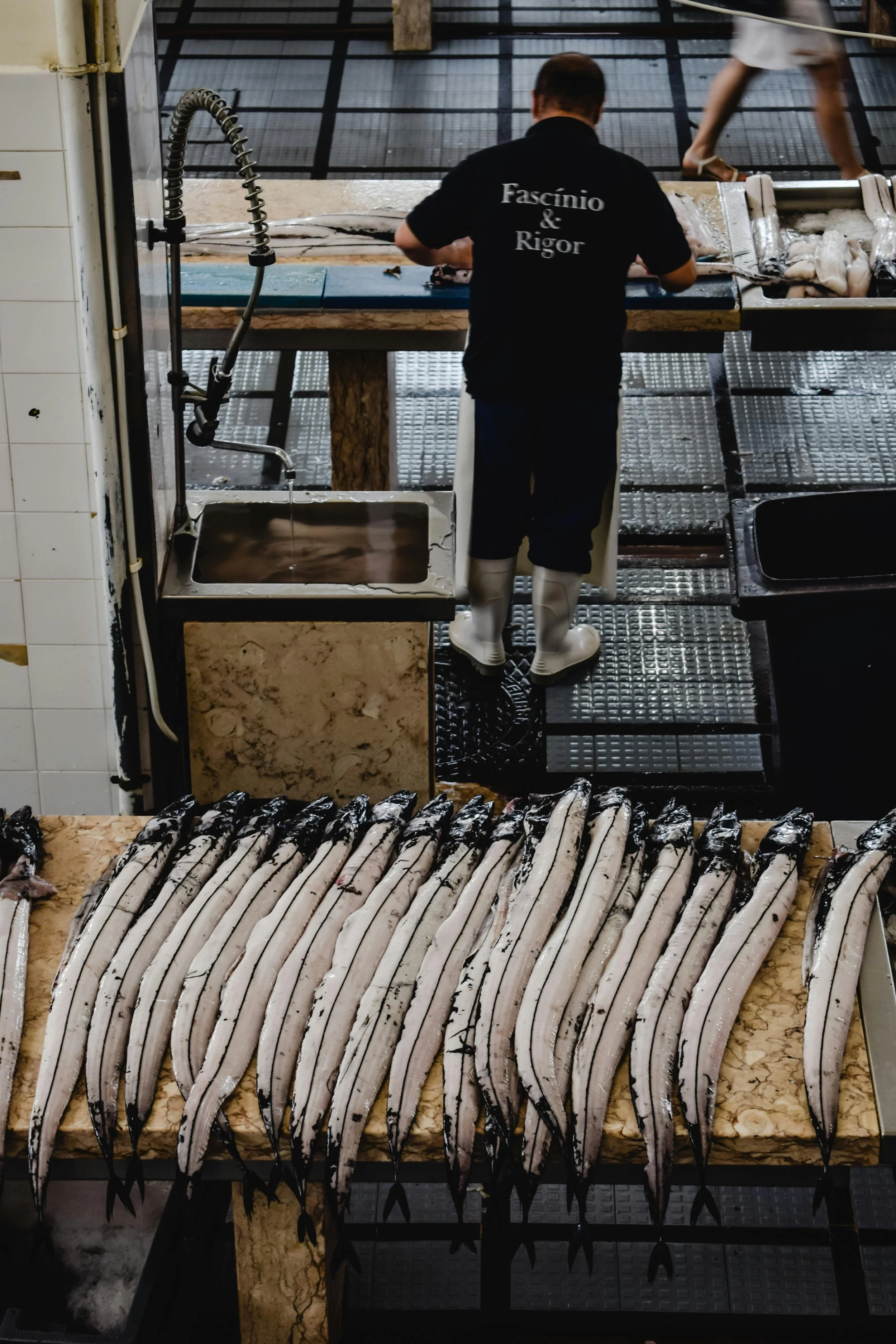
Most mercados in Portugal are divided into sections: fresh fish, meat, fruit and vegetables, flowers, and sometimes a few stalls selling olives, cheese, or prepared foods. In larger cities, you might also find clothing, household goods, or antiques on market day.
The language you need shifts slightly depending on where you are in the market, so it helps to know a few section names.
Peixaria — the fish counter
Talho — the butcher
Frutaria — fruit and vegetables
Padaria — bread and baked goods
Mercearia — general groceries, sometimes with local specialities
Walking through a mercado and recognising these signs already puts you a step ahead. You know where you are, and you know what kind of conversation is coming.
Arriving and getting someone’s attention
In Portugal, there’s a quiet etiquette to market interactions. You don’t necessarily call out or wave. You make eye contact, wait your turn, and when the vendor is ready, they’ll come to you or give you a nod.
When that moment arrives, these phrases will help you:
Bom dia / Boa tarde — Good morning / Good afternoon. (Always start with a greeting.)
Com licença — Excuse me. (Useful if you need to get past someone or gently interrupt.)
Por favor — Please. (A word that goes a long way in any context.)
Obrigado / Obrigada — Thank you. (The ending changes: obrigado if you’re a man, obrigada if you’re a woman.)
These aren’t just pleasantries. In European Portuguese, greetings and courtesies carry real social weight. Starting an interaction correctly sets the tone for everything that follows.
Asking for what you want
Once you have the vendor’s attention, the core phrases are simple, and they repeat across almost every market interaction.
Queria…. I’d like… / I would like…
This is the phrase to know. It’s polite, natural, and used constantly. Much more common than quero (I want) in this context; queria has a softer, more courteous tone that fits the register of a market exchange perfectly.
• Queria meio quilo de tomates, por favor.— I’d like half a kilo of tomatoes, please.
• Queria um quilo de laranjas. — I’d like a kilo of oranges.
• Queria aquele peixe ali. — I’d like that fish there.
Pode dar-me…? Can you give me…?
This is another common, natural way to ask. It’s slightly more direct, but still polite.
• Pode dar-me uma fatia daquele queijo? — Can you give me a slice of that cheese?
Tem…? Do you have…?
This is simple and useful, especially if you’re looking for something specific.
• Tem couves? — Do you have kale?
• Tem pão de centeio? — Do you have rye bread?
Weights and quantities
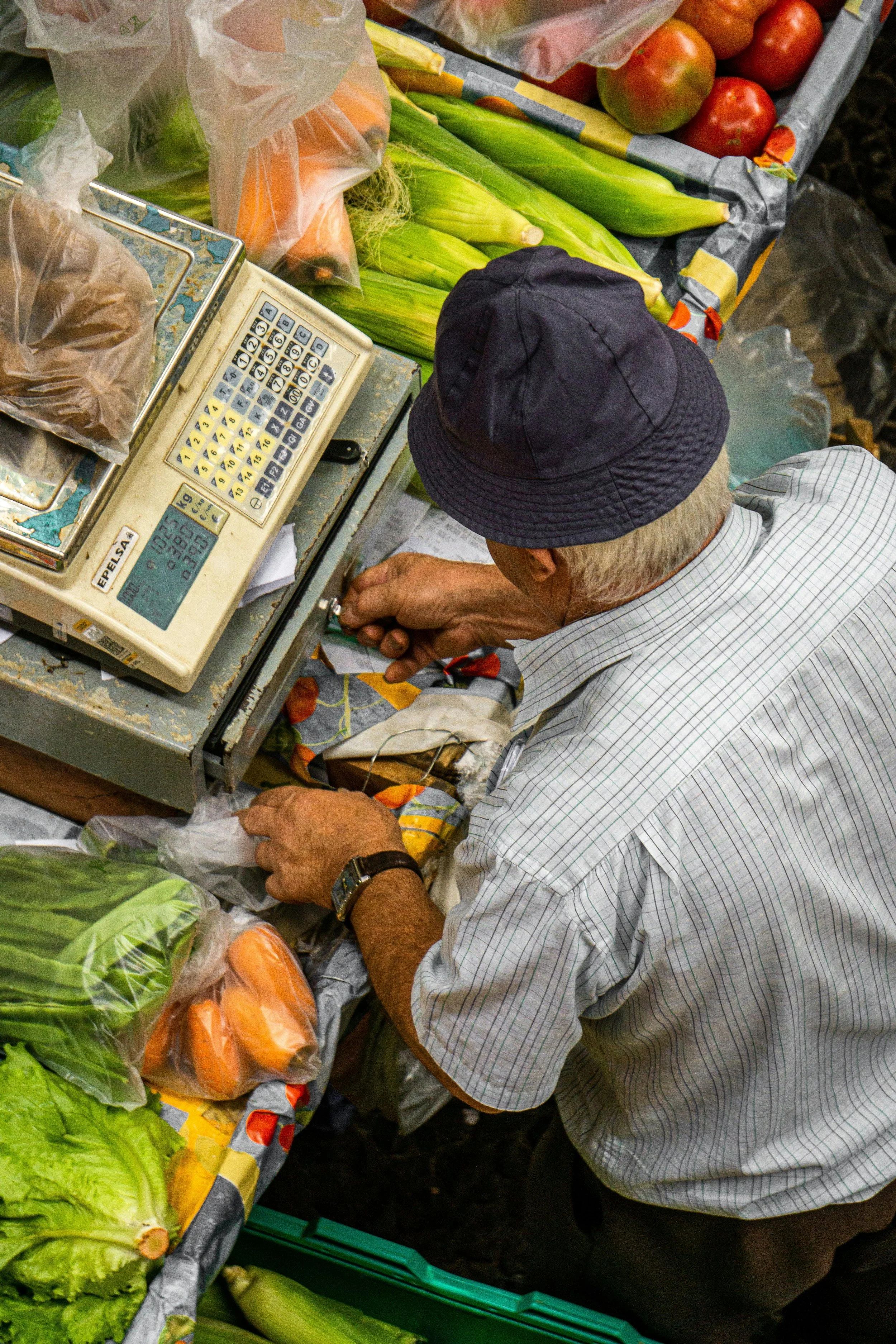
Portuguese markets work in metric, which is straightforward once you know the vocabulary.
Um quilo - one kilogram
Meio quilo - half a kilogram (500g)
Um quarto de quilo - a quarter kilogram (250g)
Cem gramas - 100 grams
Uma fatia - a slice
Um molho - a bunch (of herbs, for example)
Uma unidade - one piece / one unit
If you’re not sure of the quantity, you can always gesture and say assim (like this) or mais ou menos assim (more or less like this). Vendors understand.
Asking the price
Quanto é? - How much is it?
Quanto custa? - How much does it cost?
Quanto é tudo? - How much is everything?
Both quanto é and quanto custa are common in everyday speech. Neither is wrong, and you’ll hear both.
If something seems expensive or you want to compare, you can ask: E aquele ali, quanto é? (And that one there, how much is it?)
Understanding the answer
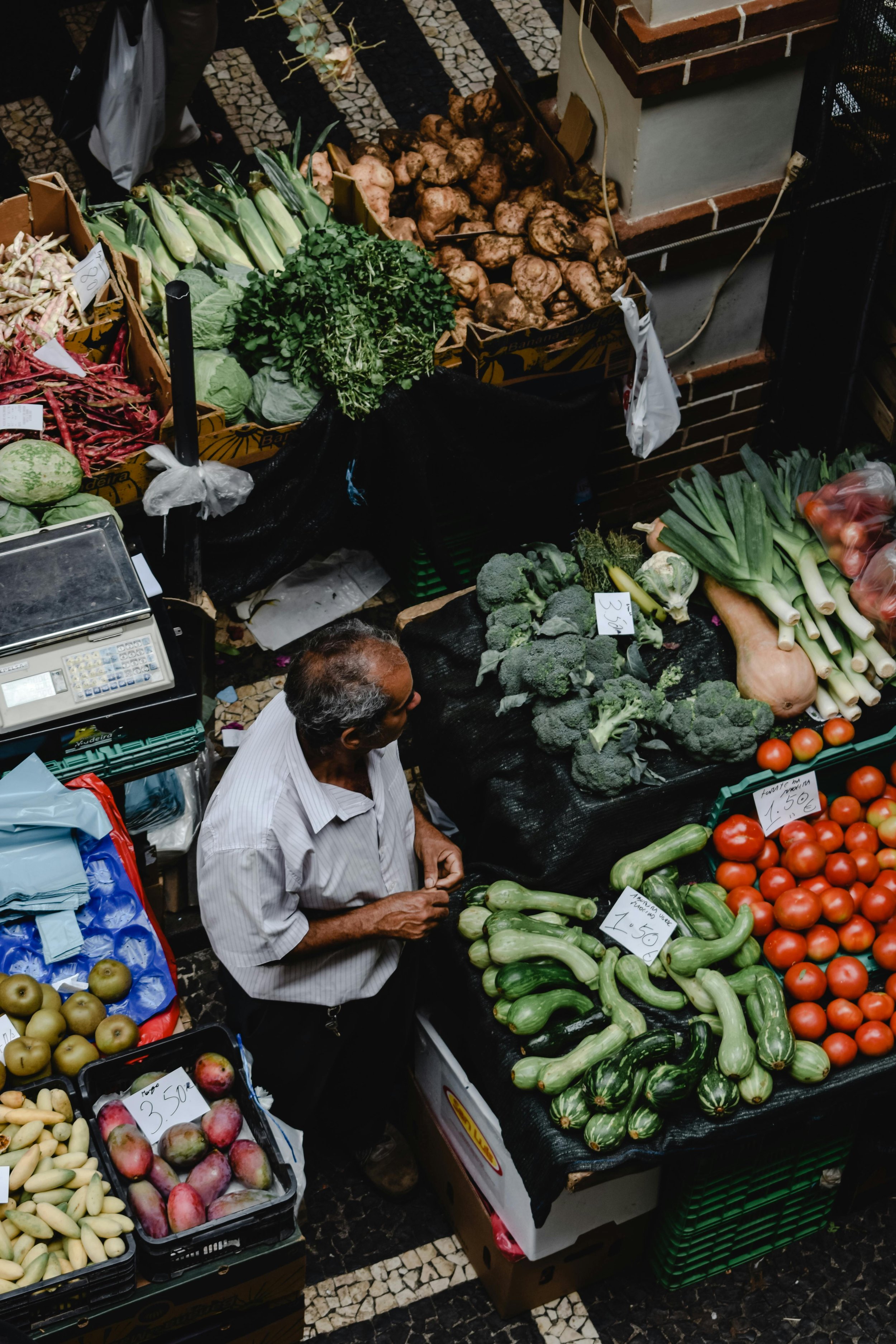
This is often where learners feel the floor disappear a little. You asked the question, the vendor answered, and then the numbers came too fast.
A few things help here.
First, numbers in European Portuguese are spoken at a natural pace. If you didn’t catch it, it’s completely normal to say:
Desculpe, pode repetir? (Sorry, can you repeat that?)
Mais devagar, por favor. (More slowly, please.)
No one will judge you for asking. Most vendors will happily repeat, often holding up fingers or writing the number on a bag.
Second, knowing your numbers solidly to twenty or thirty, and understanding how hundreds are said, goes a long way.
A price like dois euros e cinquenta (two euros and fifty cents) or quatro euros e vinte (four euros and twenty cents) will come up constantly.
Paying
Pode pagar com cartão? - Can I pay by card?
Só aceita dinheiro? - Do you only accept cash?
Tem troco? - Do you have change?
Guarde o troco. - Keep the change.
Many market vendors still prefer cash, particularly older stalls and smaller sellers. It’s always worth having some dinheiro (cash) on you when you visit a mercado.
A few phrases that go a long way
Beyond the practical vocabulary, there are a handful of phrases that shift an interaction from transactional to genuinely human.
Está muito bom. - It’s very good. (Said about something you taste or have tried.)
Que bonito. - How beautiful. (Works for produce, flowers, anything worth admiring.)
Que cheiro bom. - What a good smell.
Voltamos. - We’ll be back.
That last one, voltamos, is one worth knowing. Saying it as you leave a stall tells the vendor that you liked what you found. It’s a small thing, but it lands warmly.
Why the market is such good practice
The mercado works as a language environment because the stakes are low and the feedback is immediate. You ask for something, you get it (or you don’t, and you adjust). The vocabulary repeats. The interactions are short enough that you can carry the whole thing in your head.
And there’s something else. Market Portuguese is real Portuguese. The vendor isn’t slowing down for a tourist. They’re speaking the way they’d speak to anyone, naturally, at a normal pace, in the rhythm of the language as it’s actually used.
That’s exactly the kind of exposure that builds real confidence over time.
Practice it before you need it
One of the most useful things you can do before visiting a market, or before your next conversation practice session, is to say these phrases out loud. Not to memorize them in the abstract, but to hear yourself saying them.
Queria meio quilo de tomates, por favor.
Quanto é tudo?
Pode repetir, mais devagar?
Say them a few times and get comfortable with how they feel. The moment when you actually need them is not the moment to be meeting the words for the first time.
In Conversa Club, this is exactly the kind of language we explore together, vocabulary rooted in real situations, practiced in conversation, not drilled in isolation. If you’d like to work through a market scenario with the community, or just practice the numbers and quantities until they feel natural, you’re welcome to bring it to one of our sessions.
The words are there. The only thing left is to use them.
Take it with you
Everything in this post (the greetings, the quantities, and the phrases that go a long way) is also available as a free printable.
At the Mercado: European Portuguese Vocabulary & Phrases is a PDF that you can download, print, and keep. Tuck it in your bag before a trip, stick it on your fridge, or use it as a reference the next time you practice.
Até já.
