
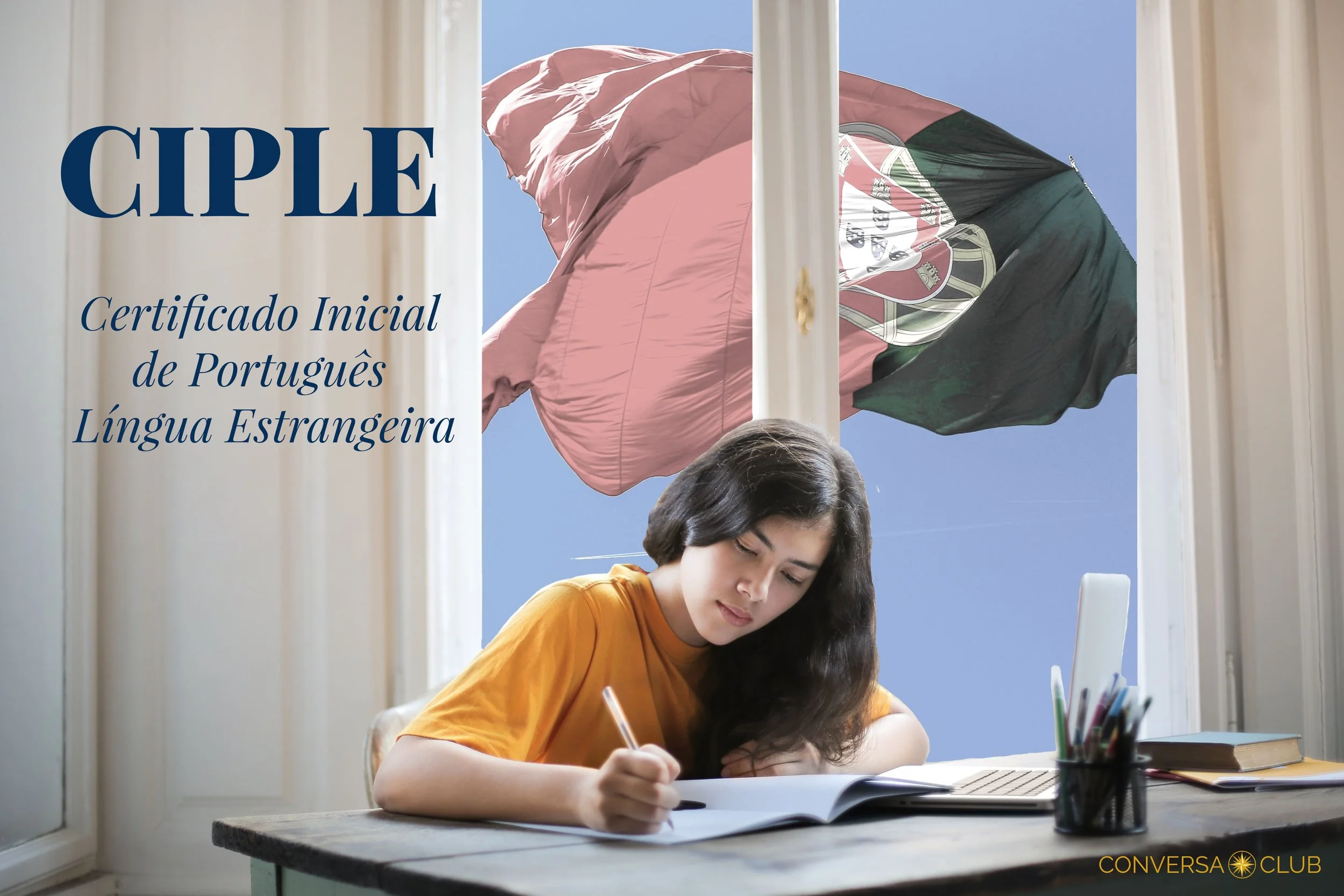
What is the CIPLE exam?
If you've come across the letters CIPLE while researching Portuguese citizenship, residency, or visa requirements, you're not alone, and it's less intimidating than it sounds. The CIPLE is Portugal's official A2-level Portuguese exam, and under current law, it's the minimum language requirement for Portuguese nationality. In this guide, we walk through what the exam actually involves, who typically needs to take it, and how to prepare for it calmly, without a cram course or last-minute panic. Whether you're working toward citizenship or just want a benchmark for your progress, here's what to expect.
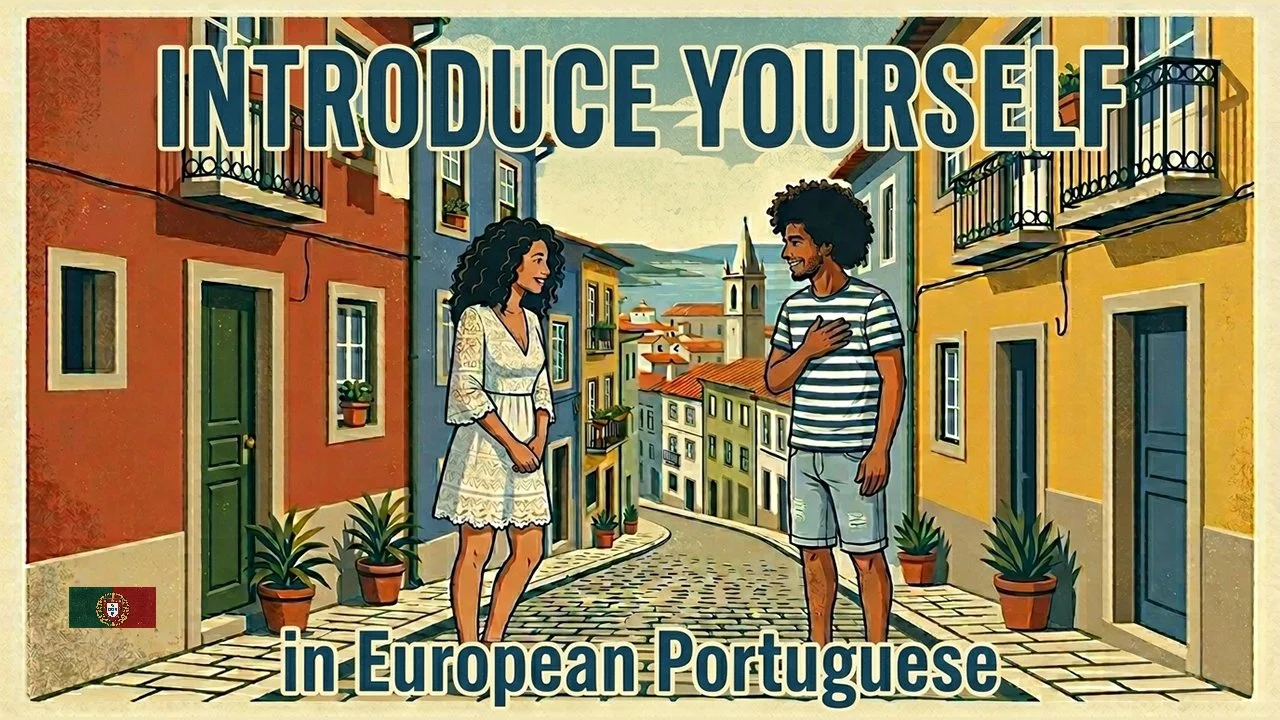
How to Introduce Yourself in European Portuguese
Wondering how to introduce yourself in European Portuguese? It comes down to one sentence. In this Daily Life video, Sérgio walks through Chamo-me and O meu nome é, how to say where you're from with Sou de, and the small gender shift that makes it sound natural. No pressure, no rushing. Just the words you need before your next conversation.

At the Mercado
Portugal's traditional markets are one of the best places to practice real European Portuguese. The interactions are short, the context is clear, and the vocabulary repeats. But knowing what to say when you're actually standing at a stall is a different thing from knowing the language in the abstract. This post walks you through the words and phrases you'll genuinely need: how to greet a vendor, ask for what you want, handle quantities and prices, and navigate those moments when the numbers come a little too fast. Practical, grounded, and ready to use before your next visit to a mercado.
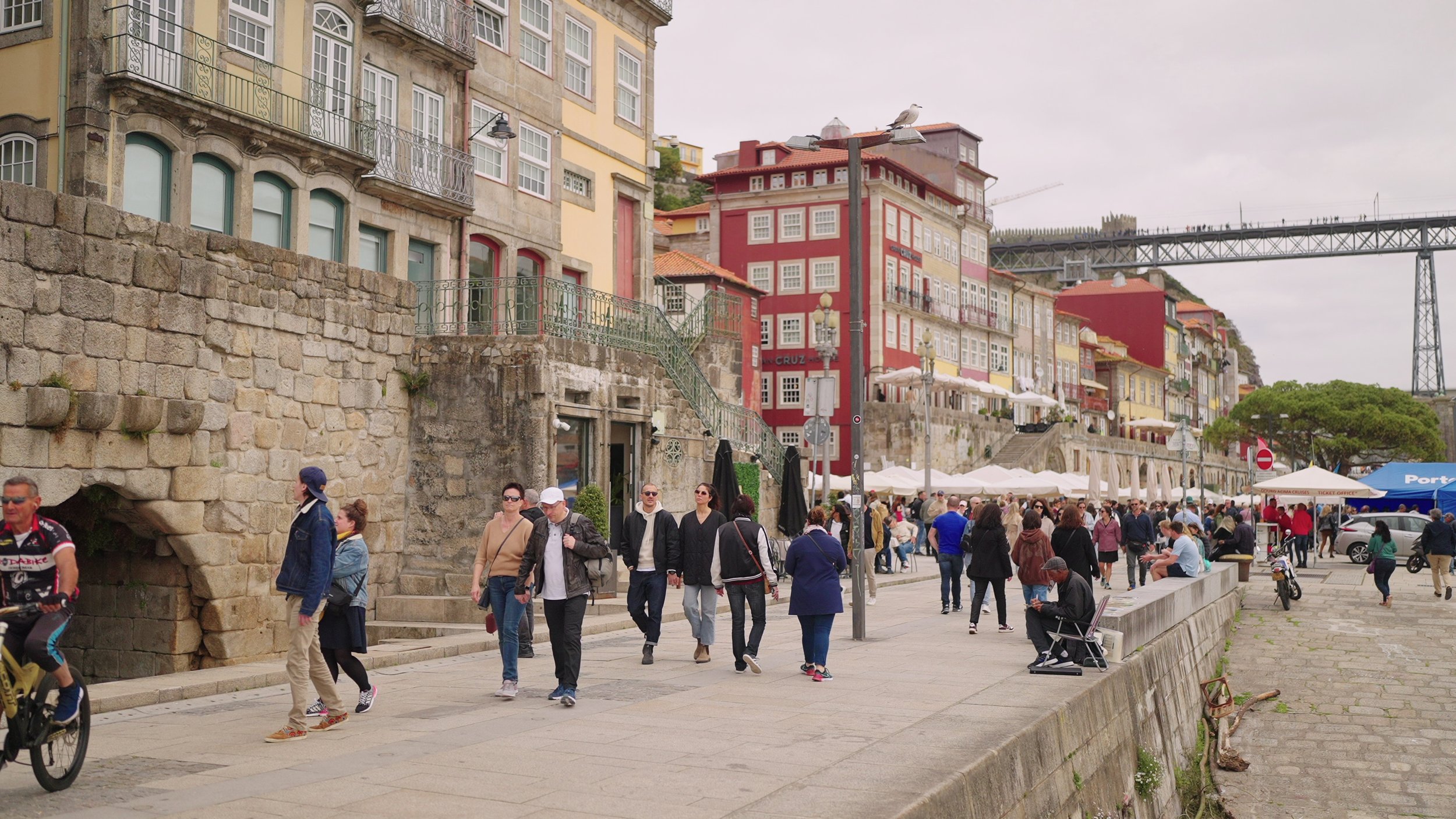
Why you can't understand spoken European Portuguese (and what's actually happening)
One of the most common moments in the European Portuguese learning journey is also one of the most discouraging. You know the words, but you can't catch them in real speech. This post explores why that happens, and introduces the concept of ligação, the natural blending of sounds that shapes how European Portuguese actually moves in conversation. Watch the video, then read on to understand what your ear is learning to hear.
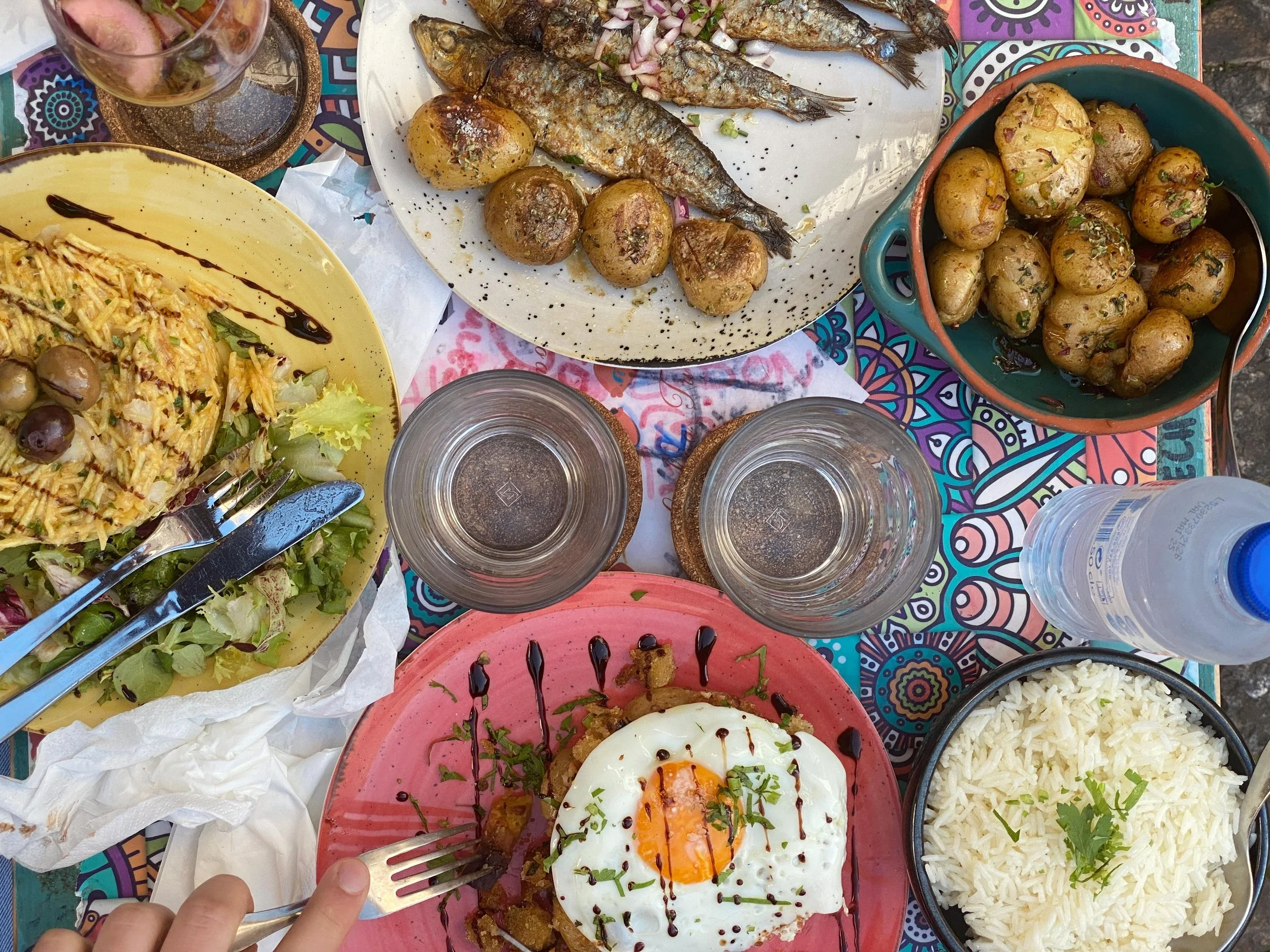
What the Portuguese Table Can Teach You About Speaking the Language
There's a gap that many European Portuguese learners know well - you can follow a conversation, catch the words, feel the rhythm, but the moment it's your turn to speak, something stalls. In this post, we explore why that gap between understanding and speaking is so common, and what the Portuguese table - with its unhurried rhythm, familiar phrases, and low-stakes warmth - can teach us about how language actually starts to loosen. Because the right conditions for practice aren't always found in a textbook. Sometimes they're found à mesa.
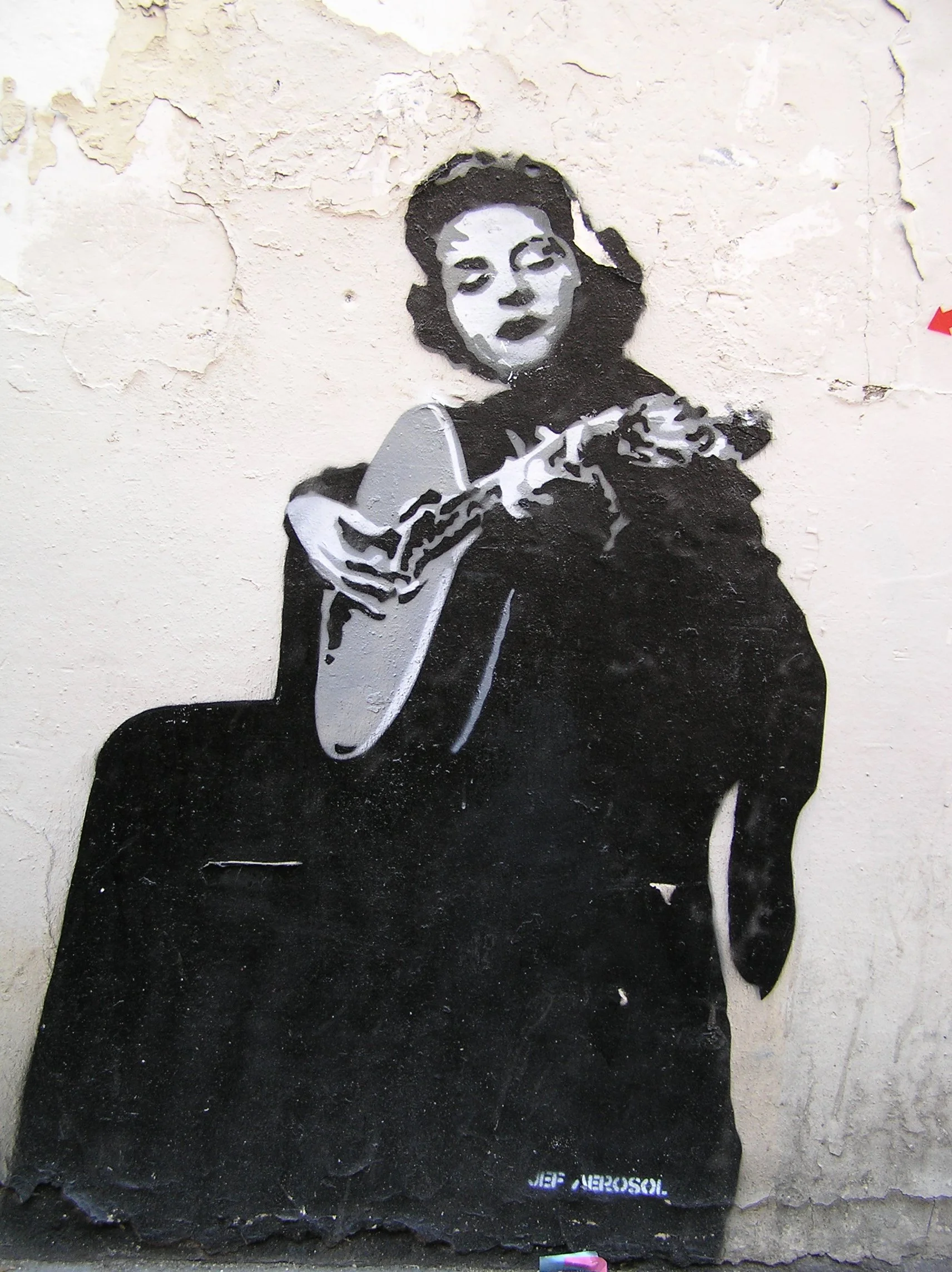
Fado and the Language You Feel Before You Speak It
There is a particular kind of silence that happens when a fadista finishes singing. Not the silence of an ending, but the silence of something still settling. If you have ever heard fado and found yourself moved without quite knowing why, you already understand something essential about European Portuguese. Something no grammar book will ever teach you. Fado is more than music. It is emotion, memory, and identity woven into melody, and for anyone learning European Portuguese, fado is a beautiful introduction to the language.
European Portuguese vowel sounds: the letter A
The letter A in European Portuguese isn't just one sound. It shifts depending on stress, position, and the accent marks above it. From the wide-open A in casa to the quiet, inward unstressed version, to the resonant nasal hum of manhã... each variation tells you something about how this language actually works. This post walks through them all, one sound at a time.

Why most language apps don't work for European Portuguese learners
You downloaded the app. You set the streak. You showed up, and then, somewhere along the way, you stopped. Not because you gave up, but because something wasn't clicking and you couldn't quite say what. Most language apps weren't built for European Portuguese learners, and that gap is real. This post looks at why apps fall short, what actually works for adult learners of português europeu, and a handful of free, low-pressure things you can start doing today.

How to learn European Portuguese as an adult
Learning European Portuguese as an adult is one of the more rewarding things you can decide to do. This post is for wherever you're starting from - first steps, a fresh start, or somewhere in between. Real guidance, practical phrases, and a calmer approach to progress.