
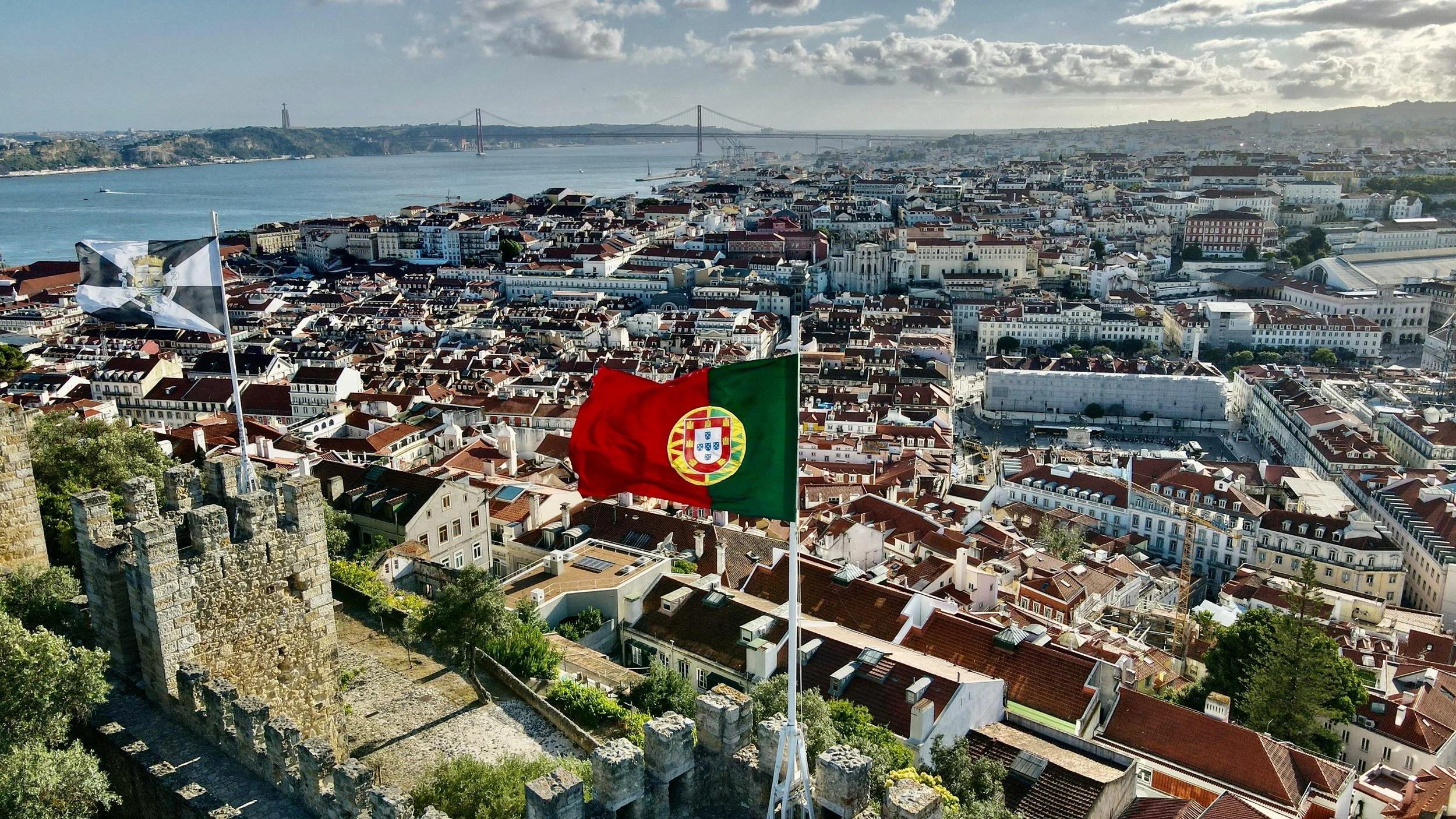
Dia de Portugal: What June 10 really means
On June 10, Portugal marks Dia de Portugal, de Camões e das Comunidades Portuguesas, a national holiday named not after a battle or a founding moment, but after a poet. This post explores what that choice reveals about how Portugal understands its language, its identity, and the millions of people who carry both beyond its borders. For anyone learning European Portuguese, whether out of curiosity, family connection, or in preparation for the CIPLE exam, understanding this day is a meaningful step into the culture behind the language.
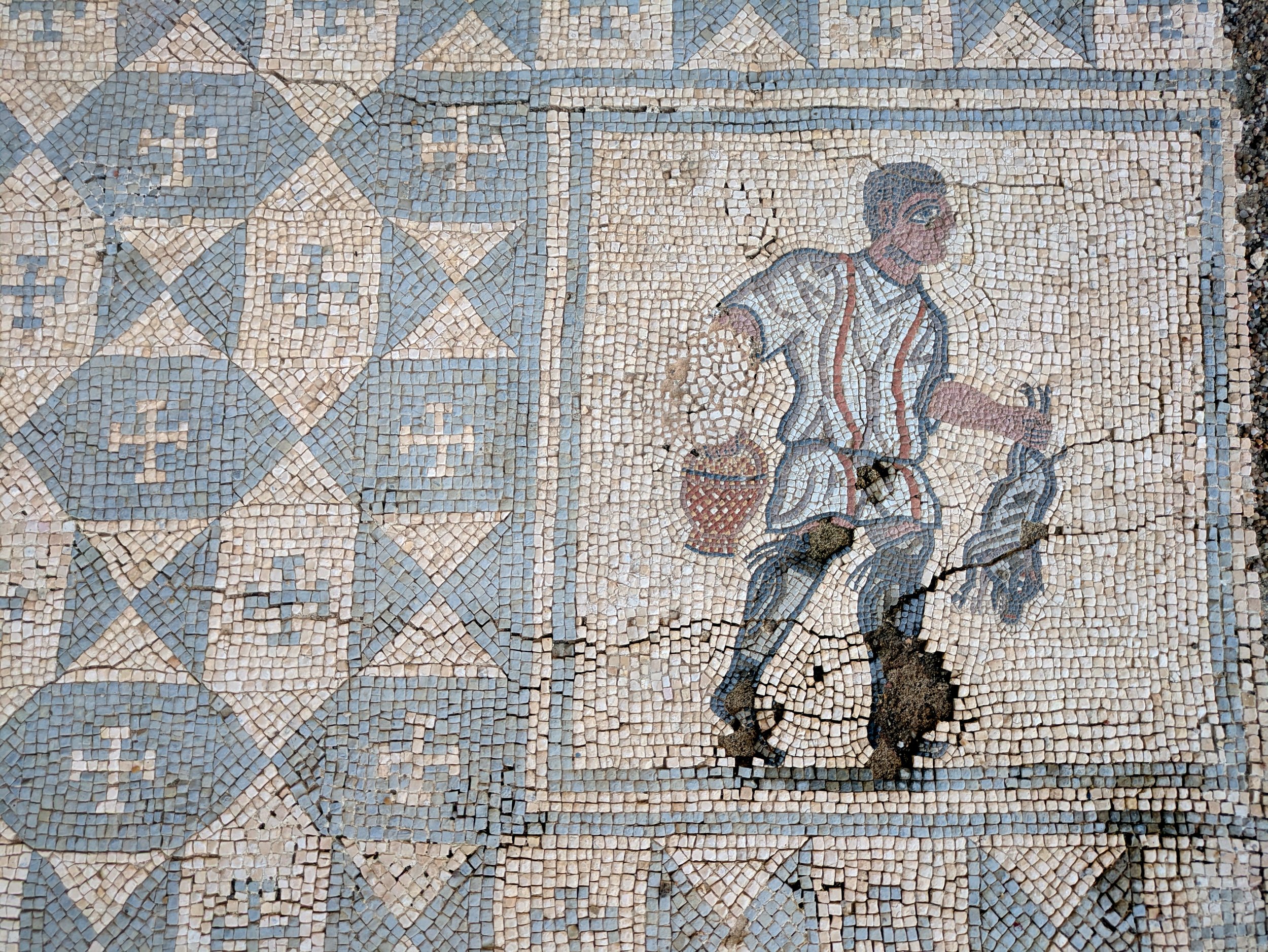
Before Portugal Was Portugal: Walking Through Conímbriga
Conímbriga, one of the largest and best-preserved Roman settlements on the Iberian Peninsula, sits quietly just south of Coimbra, holding the shape of a city that stood for over a thousand years. This post walks through its mosaic floors, heated rooms, grand defensive wall, and the ordinary lives lived within its stone streets, before tracing a line that connects those Roman foundations to the European Portuguese you are learning today.
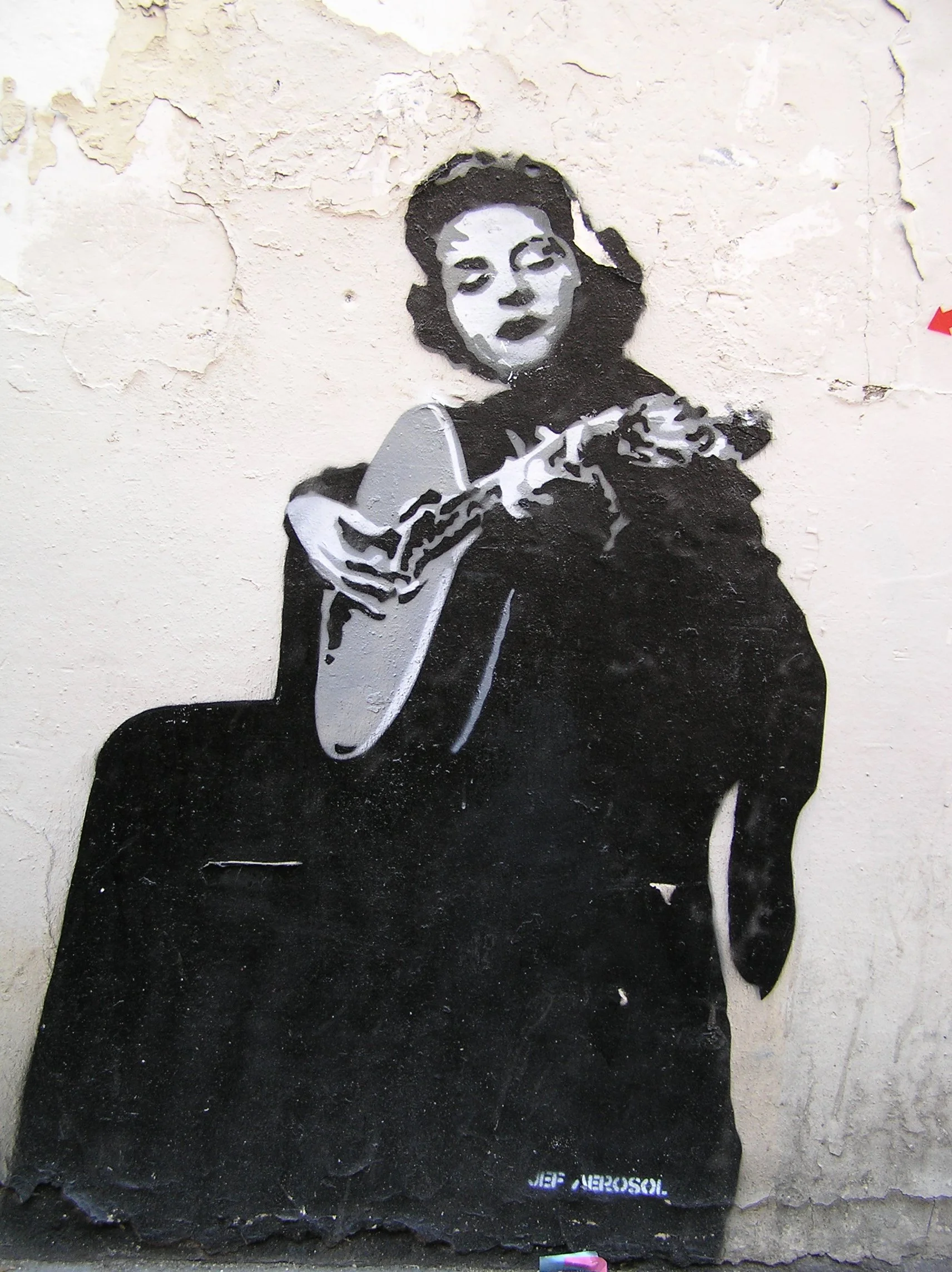
Fado and the Language You Feel Before You Speak It
There is a particular kind of silence that happens when a fadista finishes singing. Not the silence of an ending, but the silence of something still settling. If you have ever heard fado and found yourself moved without quite knowing why, you already understand something essential about European Portuguese. Something no grammar book will ever teach you. Fado is more than music. It is emotion, memory, and identity woven into melody, and for anyone learning European Portuguese, fado is a beautiful introduction to the language.